


A common question arises: under what circumstances does a lithium-ion battery’s BMS activate overcharge protection, and what’s the proper way to recover from it?
Overcharge protection for lithium-ion batteries is triggered when either of two conditions is satisfied. Firstly, a single cell reaches its rated overcharge voltage. Secondly, the total battery pack voltage meets the rated overcharge threshold. For instance, lead-acid cells have an overcharge voltage of 3.65V, so BMS typically sets the single-cell overcharge voltage to 3.75V, with total voltage protection calculated as 3.7V multiplied by the number of cells. For ternary lithium batteries, the full charge voltage is 4.2V per cell, so the BMS single-cell overcharge protection is set to 4.25V, and the total voltage protection condition is 4.2V times the number of cells.
Recovering from overcharge protection is simple and straightforward. You can either connect a load for normal discharge or let the battery rest until cell polarization subsides and the voltage drops. For lithium iron phosphate batteries, the overcharge recovery voltage is 3.6V multiplied by the number of cells (N), while for ternary lithium batteries, it is 4.1V×N.
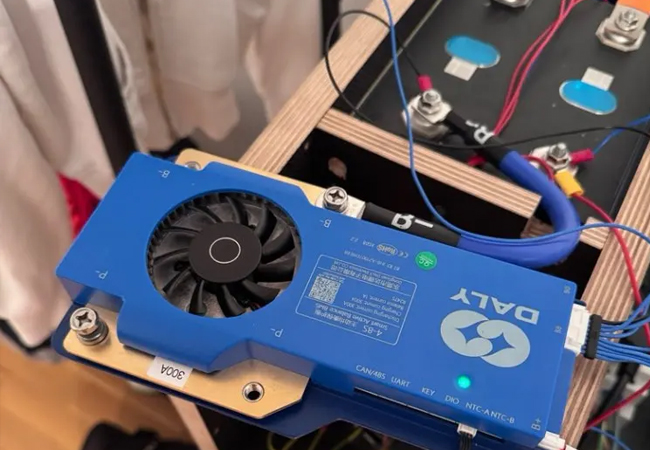
A frequently asked question among users: Does leaving an EV battery charged overnight (from midnight until the next day) damage it in the long run? The answer depends on the specific setup. If the battery and charger are original equipment manufacturer (OEM) matched, there’s no need for concern – the BMS offers reliable protection. Typically, the BMS’s overcharge protection voltage is set higher than the charger’s output. When cells maintain good consistency (such as in newer batteries), overcharge protection will not be triggered after full charging. As the battery ages, cell consistency degrades, and the BMS kicks in to provide protection.
Notably, there is a voltage gap between the BMS’s overcharge trigger voltage and recovery threshold. This reserved voltage range prevents a harmful cycle: protection activation → voltage drop → protection release → recharging → re-protection, which helps extend the battery’s service life. For maximum safety and longevity, the best practice is to charge on demand and unplug the charger once the battery is fully charged.
Media Contact
Company Name: DALY BMS
Email: Send Email
Country: China
Website: https://www.dalybms.com/