


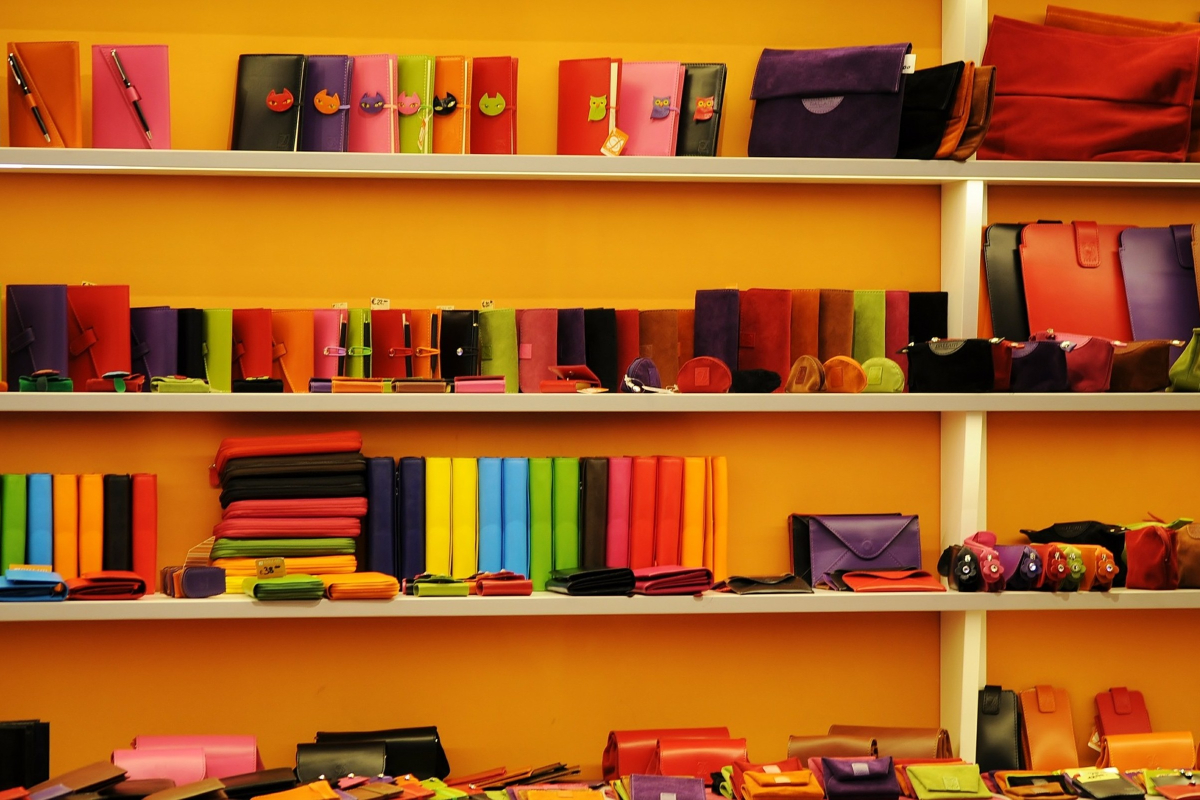
When it comes to consumer buying preferences, trends come and go. However, there are some factors that will always be more important than others when it comes to drawing in new customers. Retail merchandising will always be important, and the best practices outlined below will never go out of style.
Consider Color
Just about every business owner understands that color plays an essential role in branding, but according to realtimecampaign.com, it’s just as important to consider color when developing a retail merchandising strategy. Color doesn’t just create brand associations—it also sets the tone of a consumer’s experience and can be used effectively to highlight certain products. Before choosing which colors to use, think about the overall theme and message, and learn a bit about their meanings and associations.
Follow the Rule of Three
The rule of three is a classic design technique that will never go out of style, and it’s just as effective in retail merchandising as it is in home interior design. Grouping products in sets of three draws the viewer’s eye and creates a sense of balance. It can also help to try staggering grouped-together items by price points, styles, or size to compose a more appealing display.
Cross Merchandise
Not all retail merchandising tips are about drawing consumers into stores. Some strategies, including cross-merchandising, focus more on altering buying behaviors. Cross merchandising involves placing two products that complement each other well close together to create an association in shoppers’ minds and encourage them to purchase both items. Cross merchandising is especially effective during sales and promotions.
Stay Relevant
Store owners shouldn’t keep the same displays in place for months at a time. Instead, try to keep up with pop culture trends and consumer preferences and adjust merchandising accordingly to stay relevant. Business owners can get redirected here for ideas about how to stay up to date.
Tell a Story
A good merchandising strategy uses objects to tell a story, but that doesn’t mean incorporating excessive signage. Intelligent Shoppers Demand Intelligent Retailers, and today’s consumers understand that displays can feature characters and themes that speak for themselves. Instead of sticking to displaying only the newest products, try adding props or minor details that accentuate them and create a unique visual storyboard. Just make sure any props used in the display are brand-appropriate and don’t outshine the products themselves.
Take the Time to Learn the Basics
Retailers who are completely new to product merchandising don’t need to jump in headfirst. Instead, they should take the time to learn the basics from more experienced professionals. Check out articles from TradeBeyond and other experts, pay attention to what other local merchants are doing with their displays, and try looking for inspiration from design-oriented fields.
Track Progress and Embrace Change as Needed
Merchants who follow the tips above should start to see a difference in sales volume and new customer acquisition rates in the same season. However, it’s important not to just assume a seemingly good merchandising strategy will work. Instead, track the campaign’s progress to see what works and what doesn’t then make changes as needed to meet goals.
Media Contact
Company Name: Realtimecampaign.com
Contact Person: Media Relations
Email: Send Email
Phone: 407-875-1833
Country: United States
Website: Realtimecampaign.com